


Copyright © 2026 Chengdu Xinshijia Specialty Glass Technology Development Co., Ltd.

 Language
 More Language
Language 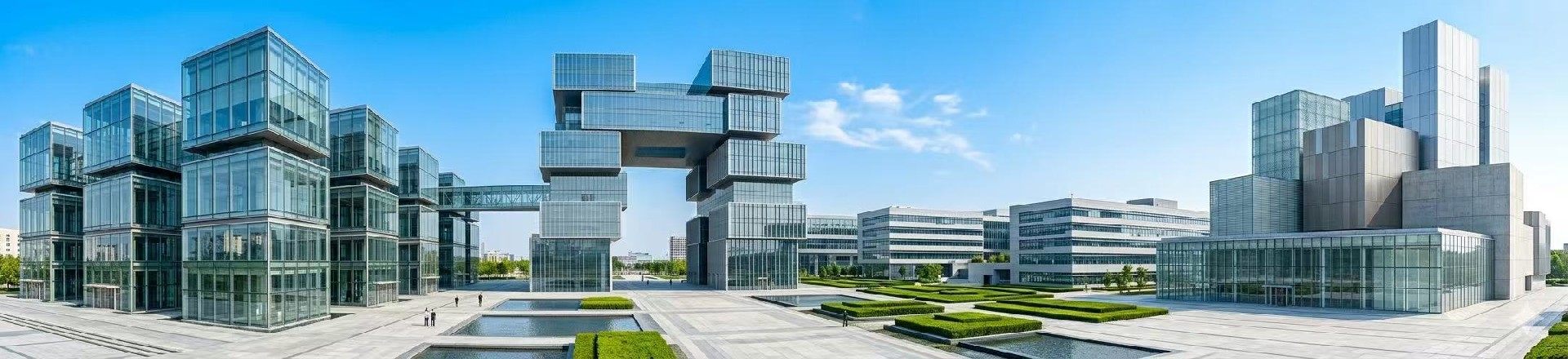
Release time:2026-09-14 Visits:2
Glass has become one of the most important materials in modern architecture. From high-rise curtain walls and large building facades to luxury hotels and interior spaces, architectural glass combines transparency, aesthetics, safety, energy efficiency, and functional performance.
As architectural design continues to evolve, the demand for larger, more complex, energy-efficient, and customized glass products is increasing. Traditional clear glass is no longer the only choice. Curved glass, large format glass, tempered glass, laminated glass, insulated glass, decorative glass, and specialty glass are becoming increasingly important in modern construction.
For architects, contractors, developers, and glass professionals, understanding these trends can help them select the right building glass for different projects.
One of the most noticeable trends in the architectural glass industry is the increasing use of large format glass.
Modern buildings often require larger glass panels to create uninterrupted views, cleaner facade lines, and more natural light. Large glass panels can reduce the number of visible joints and create a more seamless appearance.
Large format glass is widely used in:
Building facades
Curtain wall systems
Shopping malls
Airports
Hotels
Office buildings
Atriums
Entrance systems
However, producing oversized glass requires advanced processing equipment, strict quality control, professional handling, and reliable packaging.
For projects requiring particularly large dimensions, working with an experienced architectural glass manufacturer is essential.
Another important development is the growing demand for curved glass.
Unlike flat glass, curved architectural glass can follow complex building geometries and create smooth, three-dimensional architectural forms. It is increasingly used in distinctive facades, entrances, atriums, balconies, and interior structures.
Curved tempered glass, also known as bent tempered glass, combines curved shapes with the safety and strength advantages of tempered glass.
Typical applications include:
Curved building facades
Glass entrances
Hotel lobbies
Atriums
Curved curtain walls
Balustrades
Special architectural structures
Advanced glass processing technology also makes it possible to manufacture different types of curved glass according to project requirements, including single-curved and more complex customized shapes.
For large architectural projects, the ability to manufacture large size curved glass can provide architects with greater design flexibility.
Energy efficiency is another major factor influencing the development of architectural glass.
Large glass areas allow natural daylight to enter buildings, but they can also increase solar heat gain and thermal transfer if the wrong glass configuration is selected.
This has increased demand for energy efficient glass, including:
Insulated glass
Low-E glass
Tinted glass
Solar control glass
Laminated insulated glass
Insulated glass, also known as double glazing or IGU, consists of two or more glass panes separated by a spacer and sealed to create an insulating air or gas cavity.
This structure helps improve thermal insulation and indoor comfort, making insulated glass an important solution for modern curtain walls, windows, and energy-efficient buildings.
Tinted glass, also called colored glass or body tinted glass, is another popular architectural glass solution.
By adding specific colorants during glass production, tinted glass can provide consistent colors throughout the glass body. Common options include grey, dark grey, blue, bronze, and green.
Besides its decorative appearance, tinted glass can help reduce glare and solar heat transmission, depending on the glass color and specification.
It is commonly used for:
Curtain walls
Building facades
Office buildings
Commercial buildings
Windows
Doors
Architectural features
Tinted glass can also be further processed into tempered tinted glass, laminated tinted glass, and tinted insulated glass for different project requirements.
Safety is another key consideration when selecting architectural glass.
Tempered glass and laminated glass are two of the most widely used safety glass solutions.
Tempered glass is heat-treated to increase its mechanical strength and thermal resistance. It is widely used in doors, windows, facades, partitions, and other architectural applications.
Laminated glass consists of multiple glass layers bonded with an interlayer. When broken, the interlayer helps hold the glass fragments together, improving safety performance.
Depending on the project requirements, laminated glass can be designed for different levels of safety, security, sound insulation, and architectural performance.
For buildings with higher security requirements, bullet resistant glass and impact resistant glass can provide specialized protective solutions.
Modern architecture is not only focused on structural performance. Designers are also looking for glass that provides unique visual effects.
This has created strong demand for decorative glass and customized architectural glass.
Popular solutions include:
Ceramic frit glass, also known as colored glazed glass or enamel glass, uses ceramic pigments to create colors, patterns, and designs on the glass surface.
It can be used for:
Building facades
Curtain walls
Sun shading
Interior decoration
Feature walls
Commercial buildings
Ceramic frit glass provides architects with greater freedom to combine color, pattern, and building design.
Patterned glass, also called textured glass or embossed glass, has decorative textures formed on its surface.
Different patterns can provide varying levels of privacy and light diffusion while creating an attractive visual effect.
It is commonly used in:
Partitions
Doors
Windows
Hotels
Restaurants
Residential interiors
Commercial spaces
Wired art glass is a type of decorative laminated glass that incorporates materials such as silk, fabric, textile, metal wire mesh, or customized decorative patterns between glass layers.
With different materials and designs, thousands of visual combinations can be created for customized interior applications.
As buildings become more sophisticated, standard architectural glass cannot always meet every requirement.
This is driving demand for specialty glass and customized glass solutions.
Depending on the application, specialty architectural glass can include:
Fire rated glass
Bullet resistant glass
Impact resistant glass
Security glass
Decorative laminated glass
Large format glass
Curved tempered glass
Customized composite glass
For example, fire rated glass can be designed for fire-resistant doors, partitions, windows, and building systems. Different products provide different levels of fire resistance and insulation performance and should be selected according to project specifications and required certifications.
Similarly, bullet resistant glass is used in applications where a higher level of security and ballistic protection is required.
These products demonstrate how architectural glass is evolving from a simple building material into a multifunctional engineering material.
A major trend in the glass industry is not simply developing individual glass products, but combining different processing technologies to achieve multiple functions.
For example:
Curved + Tempered Glass
Provides curved architectural forms together with enhanced safety performance.
Laminated + Insulated Glass
Combines safety, thermal insulation, and acoustic performance depending on the configuration.
Ceramic Frit + Tempered Glass
Combines decorative patterns with safety glass performance.
Tinted + Insulated Glass
Combines solar control and thermal insulation.
These combinations allow architects and engineers to select glass according to the actual requirements of a building instead of relying on a single glass function.
Every architectural project has different requirements for dimensions, shape, color, thickness, structure, performance, and appearance.
Therefore, custom glass solutions are becoming increasingly important in the architectural glass industry.
A professional architectural glass supplier should be able to provide customized processing according to project drawings and specifications.
Depending on the product, glass processing may include:
Glass cutting
Edge polishing
Drilling
Tempering
Laminating
Insulating
Ceramic frit printing
Curved glass processing
CNC processing
Customized decorative processing
For large and complex projects, manufacturing capability, quality control, packaging, and delivery are also important factors when choosing an architectural glass manufacturer.
There is no single type of glass suitable for every building.
When selecting architectural glass, project teams should consider several factors:
Design requirements – shape, color, transparency, texture, and appearance.
Safety requirements – whether tempered glass, laminated glass, or specialty safety glass is required.
Energy performance – thermal insulation, solar control, and daylight requirements.
Size requirements – standard panels or large format and oversized glass.
Environmental conditions – climate, temperature, wind load, humidity, and building location.
Processing requirements – curved, laminated, insulated, ceramic frit, drilling, or other customized processes.
Selecting the right glass structure at the design stage can help improve both the appearance and performance of the finished building.
The future of architectural glass is moving toward larger sizes, more complex shapes, higher performance, and greater customization.
Large format glass will continue to create more transparent and visually clean building facades. Curved tempered glass will provide architects with greater freedom to create unique architectural forms. Insulated glass and energy efficient glass will play an increasingly important role in sustainable buildings, while ceramic frit glass, patterned glass, tinted glass, and wired art glass will provide more decorative possibilities.
At the same time, the demand for laminated glass, fire rated glass, bullet resistant glass, impact resistant glass, and other specialty glass will continue to grow as building safety requirements become more demanding.
For architects, developers, contractors, and glass professionals, choosing an experienced architectural glass manufacturer is therefore an important part of achieving reliable project results.
XSJ Glass provides customized architectural glass and specialty glass solutions, including curved tempered glass, large format glass, tempered glass, laminated glass, insulated glass, ceramic frit glass, tinted glass, patterned glass, wired art glass, bullet resistant glass, fire rated glass, and other customized glass products for architectural and commercial projects.