

Copyright © 2026 Chengdu Xinshijia Specialty Glass Technology Development Co., Ltd.

 Language
 More Language
Language 
Both blast-resistant glass and impact-resistant glass are based on a multi-layered composite safety structure, formed by bonding high-strength tempered glass with a high-toughness interlayer (such as PVB, SGP, or polycarbonate) under high temperature and pressure. They offer excellent impact resistance, penetration resistance, and fragment retention properties, ensuring that the glass maintains its structural integrity even when subjected to external force, thereby preventing secondary injuries.
Both blast-resistant glass and impact-resistant glass are based on a multi-layered composite safety structure, formed by bonding high-strength tempered glass with a high-toughness interlayer (such as PVB, SGP, or polycarbonate) under high temperature and pressure. They offer excellent impact resistance, penetration resistance, and fragment retention properties, ensuring that the glass maintains its structural integrity even when subjected to external force, thereby preventing secondary injuries.
The difference lies in the protection targets and safety ratings:
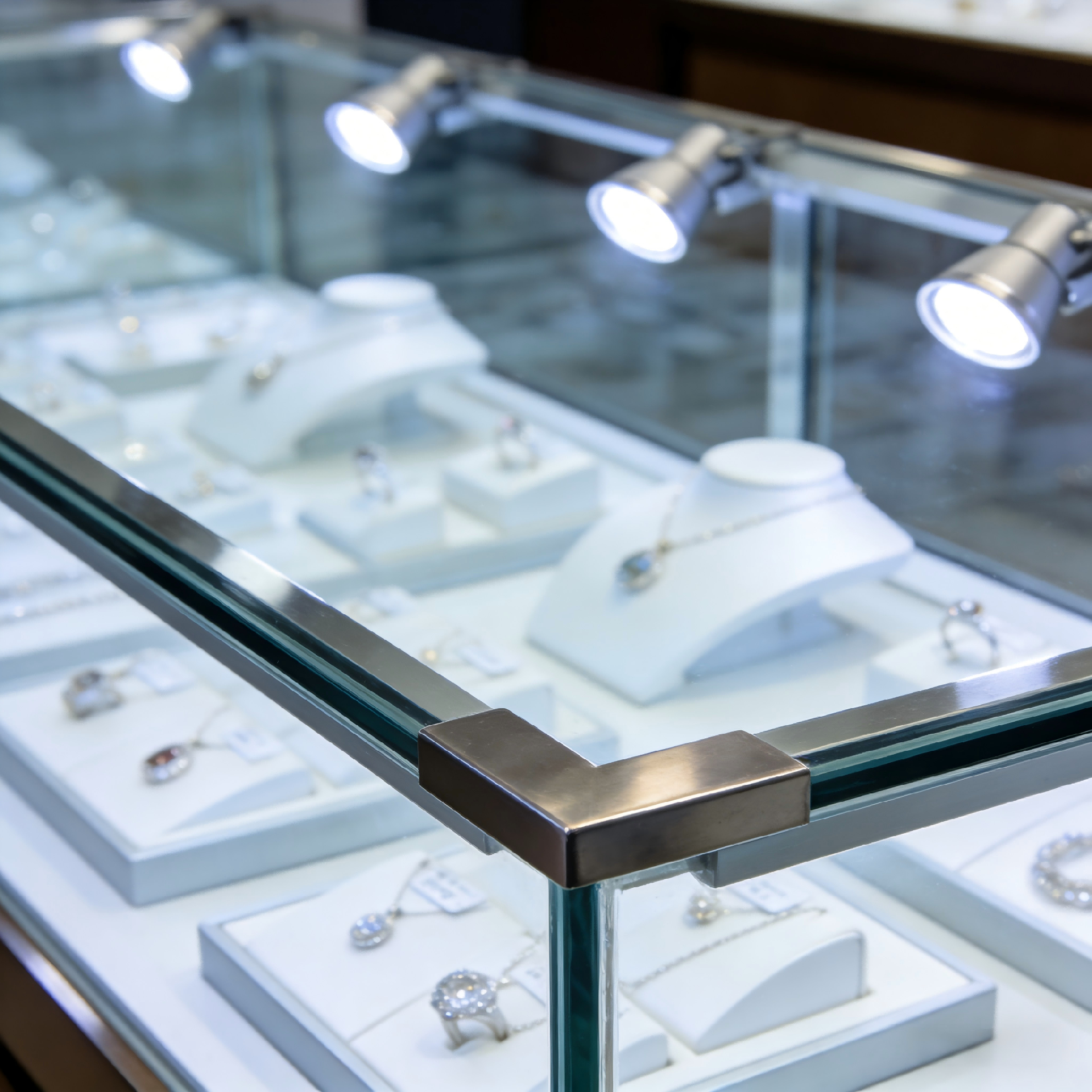
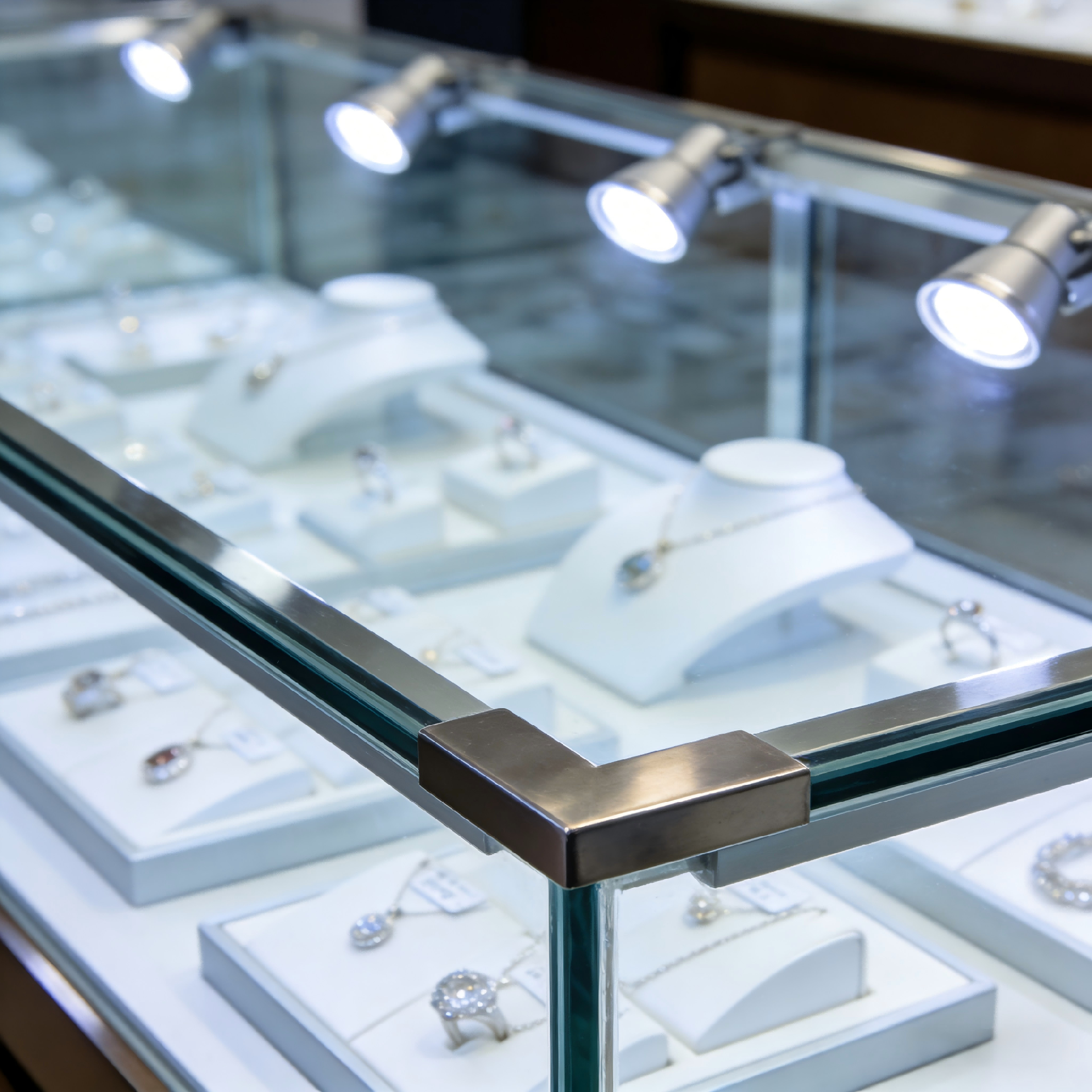
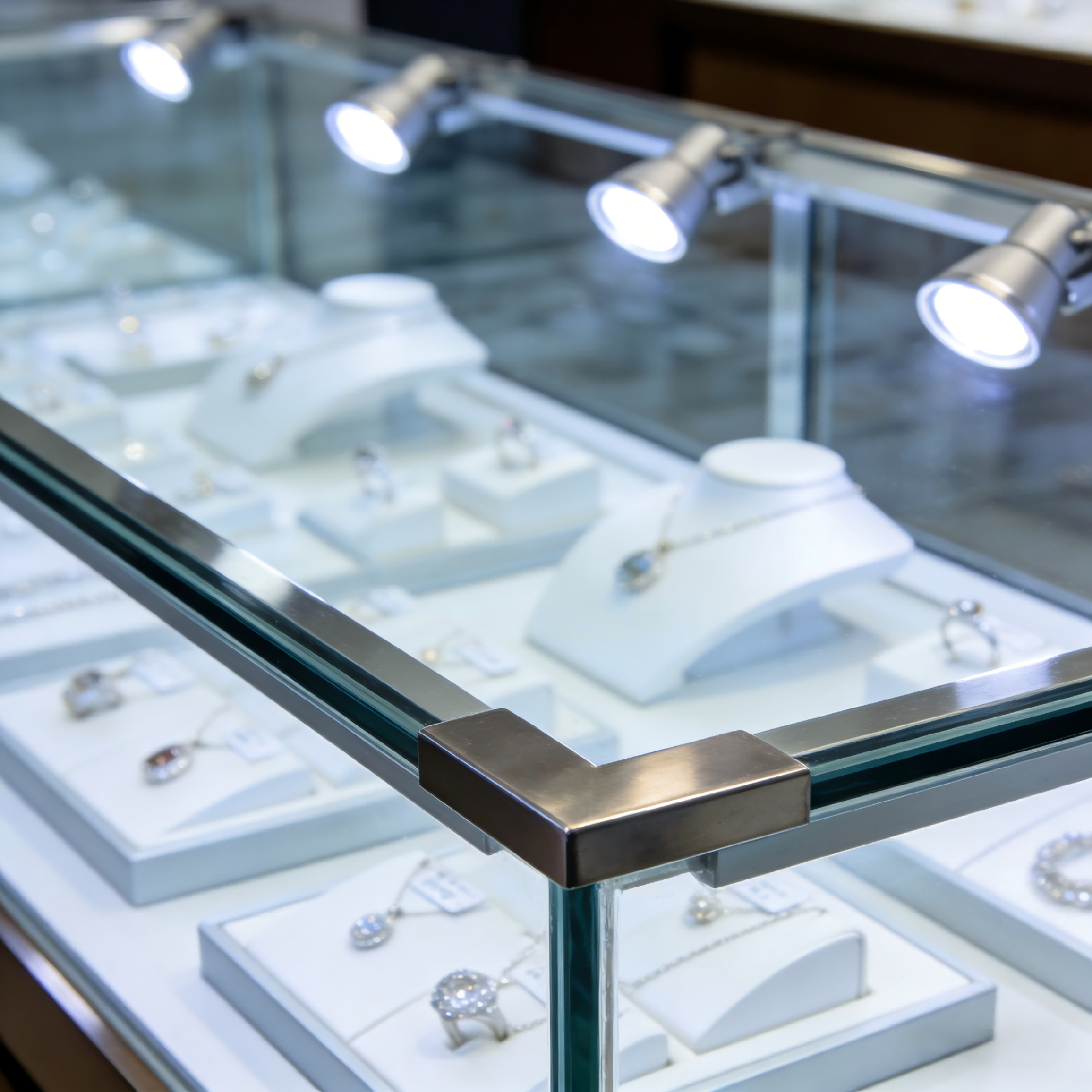
Anti-smashing glass is primarily designed to withstand violent human attacks (such as hammer strikes, axe blows, or prying), emphasizing localized impact resistance and intrusion delay capabilities. It is widely used in locations such as bank counters, jewelry stores, ATM booths, and museum display cases;
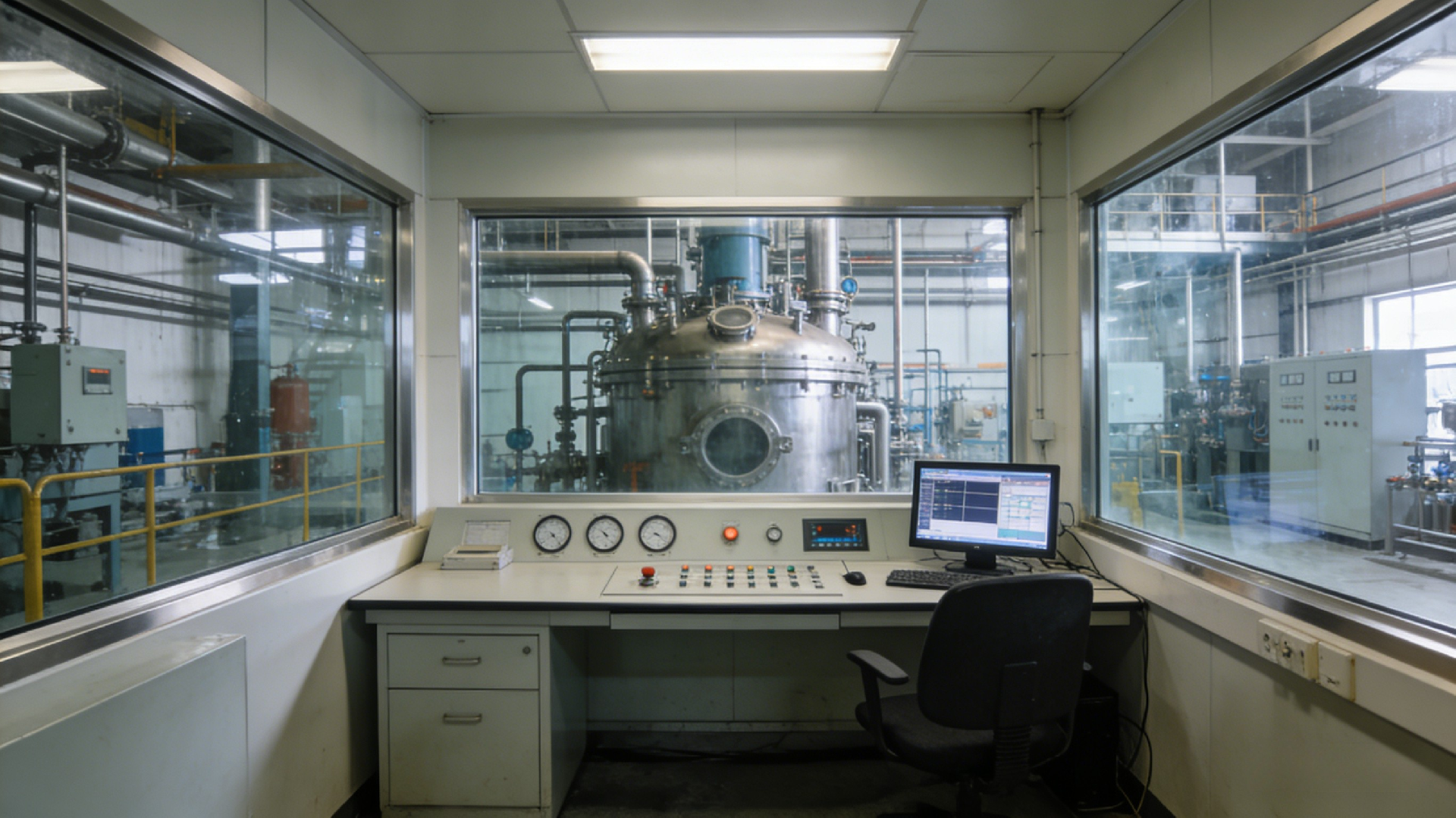
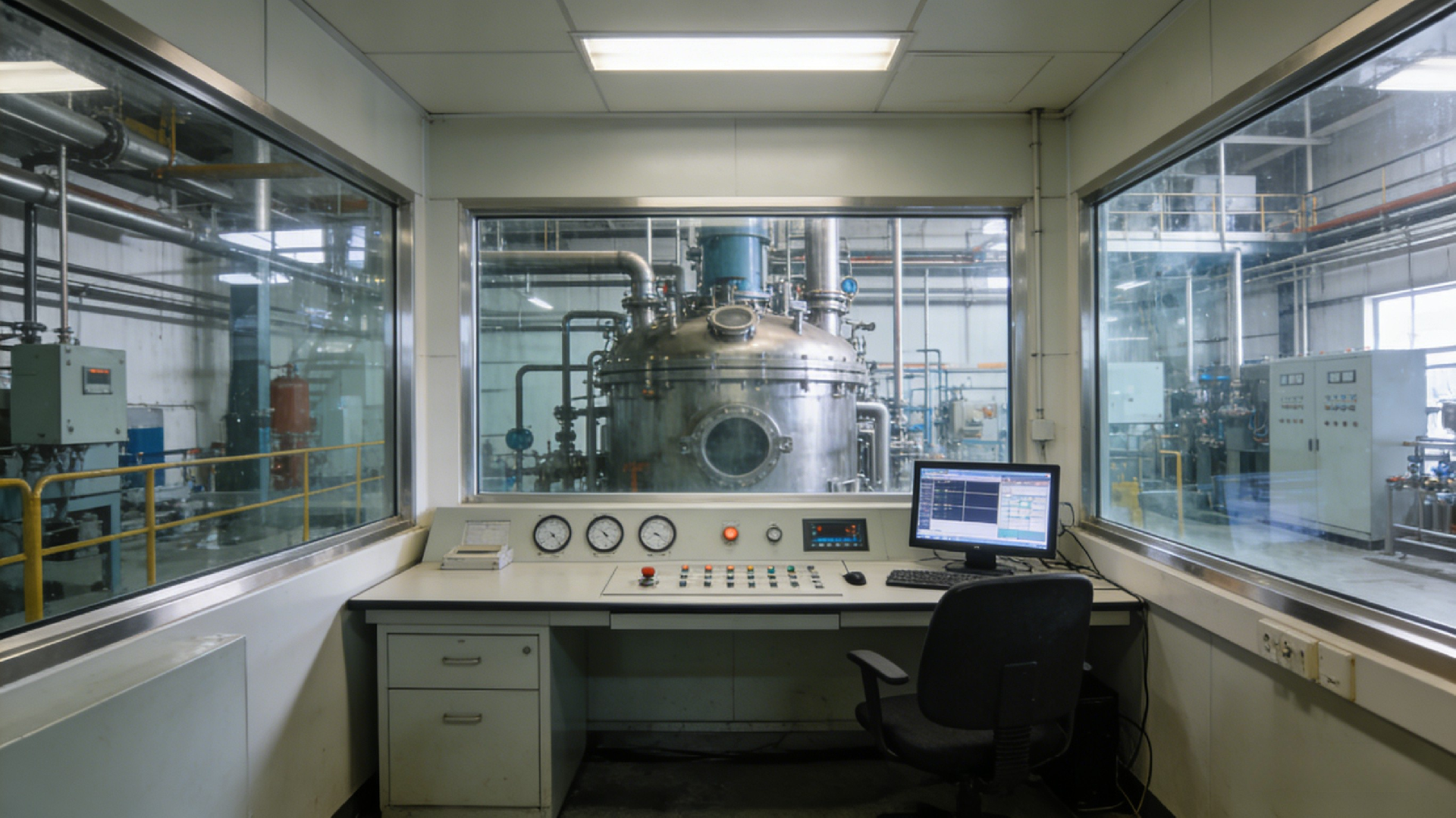
Explosion-resistant glass, on the other hand, must withstand high-speed shock waves, overpressure, and flying debris generated by explosions. It complies with explosion-proof standards such as EN 13541 and GJB, and is suitable for high-risk areas such as embassies and consulates, subway stations, chemical plants, and military and police facilities.
We can provide customized safety glass solutions that integrate multiple functions—including anti-smashing, explosion-resistant, fire-resistant, and bulletproof properties—to meet specific project requirements.